

human rights policy

We thrive to remain true to our core values and business principle. We adhere to rules and ethics compliance and is everyone’s responsibility. We seek to remain transparency and open dialogue, respecting the rights and dignity of all people, and we expect the same from all our partners. 

We support and respect the protection of internationally proclaimed human rights and we make sure that we are not complicit in any human rights abuses. Our respect towards human rights is embodied in our Human Rights Principles, Code of Conduct and Partner Code. 

Policy Commitment

Our approach to human rights is guided by the UN Guiding Principles on Business and Human Rights (UNGP), which outlines governments’ duty to protect human rights and businesses’ responsibility to respect them. Moreover, it emphasises the provision of appropriate and effective remedies in cases where human rights are breached.

We uphold the rights outlined in the International Bill of Human Rights and the International Labour Organization’s (ILO) Declaration on Fundamental Principles and Rights at Work. Consistent with the UN Guiding Principles on Business and Human Rights (UNGP), Handling System integrates human rights into its due diligence processes. This includes assessing potential and actual human rights impacts throughout our value chain, with consultations involving relevant stakeholders such as our employees and our partners.

In our human rights impact assessment, we prioritise the professional development of our employees and foster open dialogue with stakeholders. We are dedicated to transparently reporting on our efforts to address and mitigate any impacts on human rights that we may have.

NG Terminal ensures that all interactions with relevant entities such as governments, regulatory bodies, and public authorities adhere to the human rights principles outlined in this document.

NG Terminal is dedicated to enhancing its internal understanding of human rights through training and communication. Our goal is to offer human rights training to management and all employees who may encounter human rights issues within our supply chain.
Through training and familiarisation with potential risk areas, our employees are more adept at identifying risks and actual impacts during the due diligence process. This enables us to pinpoint situations where violations are most likely to occur.

Human Rights Principles

In our sphere of influence, we actively work to prevent human rights violations through assessments, training, and communication. We ensure that our operations do not contribute to human rights abuses and encourage all stakeholders, including employees, partners, and communities, to report any incidents immediately. NG Terminal’s Human Rights Principles raise awareness of relevant human rights issues, enhancing our ability to identify and manage potential violations. The key human rights principles are outlined on the following pages.

Do not hesitate to seek guidance. If you are not sure about an action or a decision, ask yourself: 

Report any irregularities anonymously:

Fair wages and working hours 

To ensure fair employment practices, all employees engaged in our own operations and value chain must receive fair wages, at least meeting the national minimum standard.

NG Terminal complies with relevant employment laws, ensuring employees’ rights to fair wages, reasonable working hours, adequate holidays and CPF contributions as outlined in the  Employment Act and CPF Act. 

We expect our business partners to uphold these same standards.

Equal and fair treatment without fear of discrimination
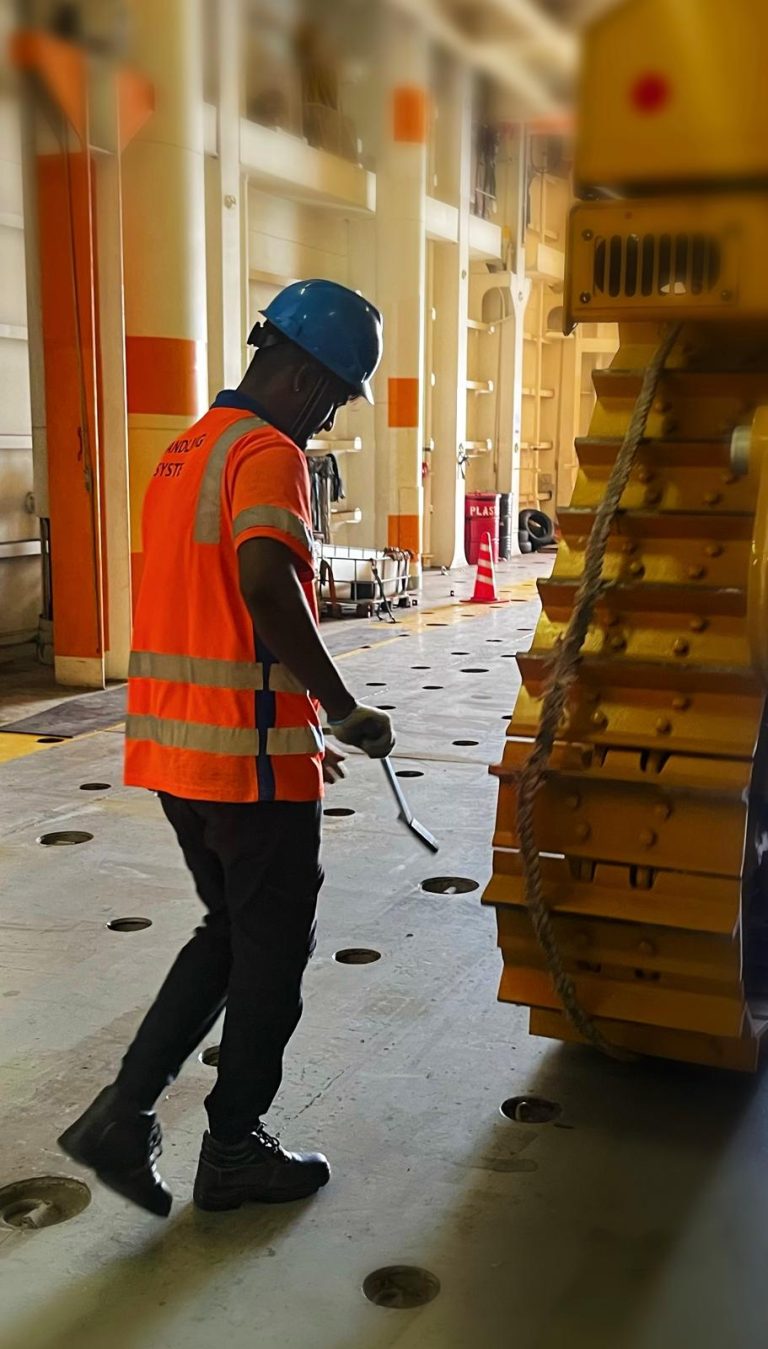
Our operations are guided by NG Terminal core values, and our interactions with each other are characterized by professionalism and fairness. It is our responsibility to ensure that everyone in our workplace community is treated equally.

Health and Safety

  • We commit to provide a safe working environment for
    everyone within our value chain.
  • We have zero tolerance for any form of substance abuse.
  • We are committed to adhering to the Personal Data
    Protection Act (PDPA), ensuring the privacy and
    confidentiality of personal data for both our
    employees and business partners.

Forced labor and modern slavery

All individuals engaged in NG Terminal value chain are entitled to freedom from slavery, servitude, forced labor, and any form of exploitation that violates basic human rights. We strictly prohibit all types of bonded labor and indebted labor practices, including withholding wages and restricting a worker’s freedom through physical confinement or forced overtime.

Child Labor

NG Terminal upholds the rights of children and insists that these rights are respected throughout our entire supply chain. We strictly prohibit child labor under the age of 15, as defined by the International Labor Organization. Children are entitled to education, development, and health, and we ensure that all partners within our value chain do not undermine these rights.

Positive societal impact to communities
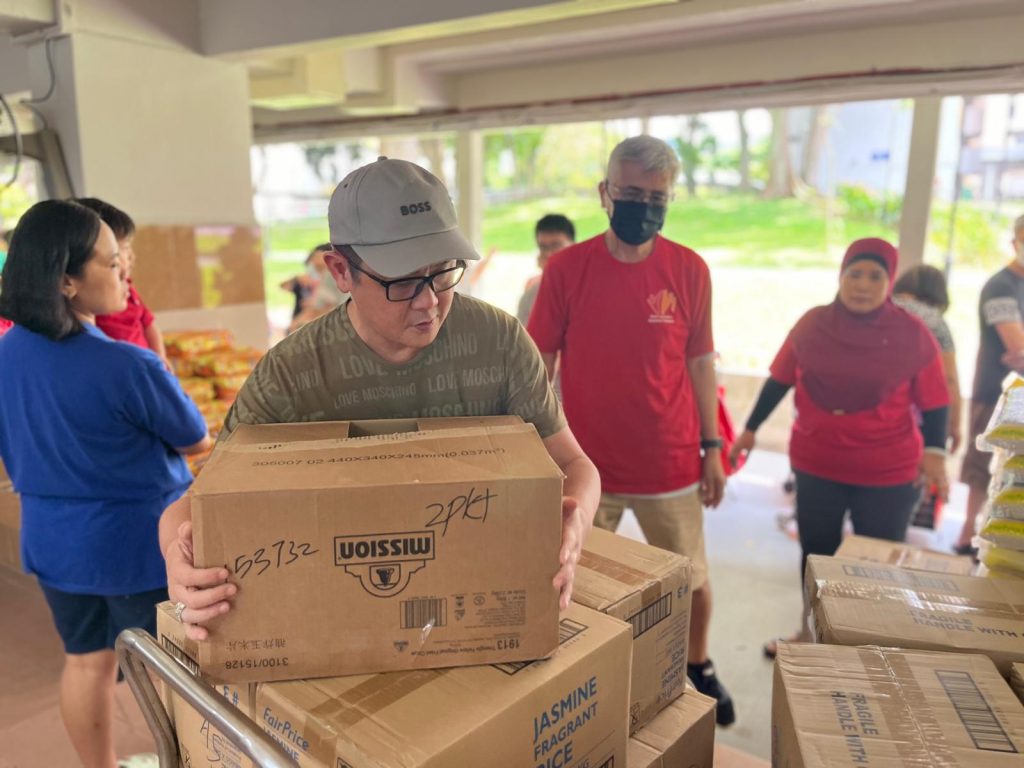
NG Terminal acknowledges that its operations, as well as those within its value chain, can directly impact our employees and their families and indirectly affect wider communities. These impacts may include environmental, health, and social aspects. Every community has the right to social and economic development, and our operations should never hinder this. People have the right to social security and the realization of economic, social, and cultural rights. We aims not only to minimize the risk of adverse impacts but also to assist in the development of communities and reduce environmental, health, and social risks.

Anti-Corruption

NG Terminal promotes ethical business conduct and prohibits the offering, promising, soliciting, accepting, or giving of bribes to influence actions within its operations or supply chain. We are actively engaged in developing policies and implementing concrete programs to combat corruption both internally and throughout our supply chain.

Right to privacy

NG Terminal respects the privacy rights of everyone involved in its operations, including employees, business partners, and customers. All personally identifiable information, personal healthcare information, and occupational information must be treated confidentially.